
Jason Lauritsen
Creator, The Check-In Method™
Speaker, Author, Employee Engagement Expert
KEYNOTES
TRAINING
RETREATS
TRUSTED BY






“If you’re looking for a speaker that absolutely must deliver, Jason should be at the top of your list.

Kevin Mullins
Content Lead, WorkHuman Live
“Jason received top-notch ratings from our attendees.

Julie Belloli
Director of Member Experience, HR Source
"JASON IS A MODERN HR LUMINARY.
He is on the pulse of performance management and is always five steps ahead of what’s next. His insight into the human condition is evident in how he communicates solutions to those of use lucky enough to spend time with him.”

Dan Miller
Director, Sales Content & Enablement, Workhuman

Leaders everywhere are asking
“HOW DO YOU ATTRACT THE RIGHT PEOPLE AND GET THEM TO STAY?”
And you hear the same things over and over:
Pay them more.
Offer cool perks.
Give them better benefits.
But you know that’s not enough.


Your people want a fair deal, but if you want their best performance, they need MORE.
To unlock the potential of your people, you must
Lead with Relationship
- Manage in a way that puts those you lead first
- Free your people to do their best work, and
- Empower them to deliver
That’s how you unlock employee engagement, retention, and performance.
And that’s how you become known as one of the Best Places to Work in the world.
You just have to
Lead with Relationship
HI, I’M JASON…
I was a corporate executive for almost a decade, but I’ve been a workplace optimist for my entire career.
I’ve always been insatiably curious about WHY work is broken — and why the way we TREAT people at work is broken — ever since I was a kid growing up on a farm in Iowa, witnessing my dad being mistreated by his boss.
For far too many people, work sucks. My question was, “Why?” I knew it didn’t have to be that way. After sifting through thousands of employee surveys later on in life, I finally figured it out:
We experience work as a RELATIONSHIP.
If we want to fix work, we need it to feel like any other healthy relationship in our lives. If we want our people to feel ENGAGED at work, then they need to feel appreciated, trusted, and cared for. And, if we want them to give their BEST at work, then we need them to feel empowered to explore their full potential.
Today, I lead keynotes, training, and retreats that help organizations, leaders, and teams break free of outdated paradigms, so they can transform how they work, lead, and live.
We’re redefining work, one relationship at a time.
Will you join us?

"JASON IS AN OUTSTANDING TRAINER, FACILITATOR, AND ENGAGING SPEAKER.
Our organization strives to make work a meaningful experience of growth, challenge, and purpose. Jason provided our leaders an opportunity to think differently about workplace engagement, their relationship with work and, most importantly, their impact at home.”

Samantha Parker
Manager of Human Resources & Support Services, NMPP Energy
"Jason is a dynamic speaker who has a true understanding of what drives employee engagement.

Steve Wallace
Director Merchant Services, PayPal
“Jason makes viewer engagement seem so easy.

Jodi Ordioni
Founder,
Achieve Engagement

How can Jason help you harness the power of relationships
to unleash the potential of your people?

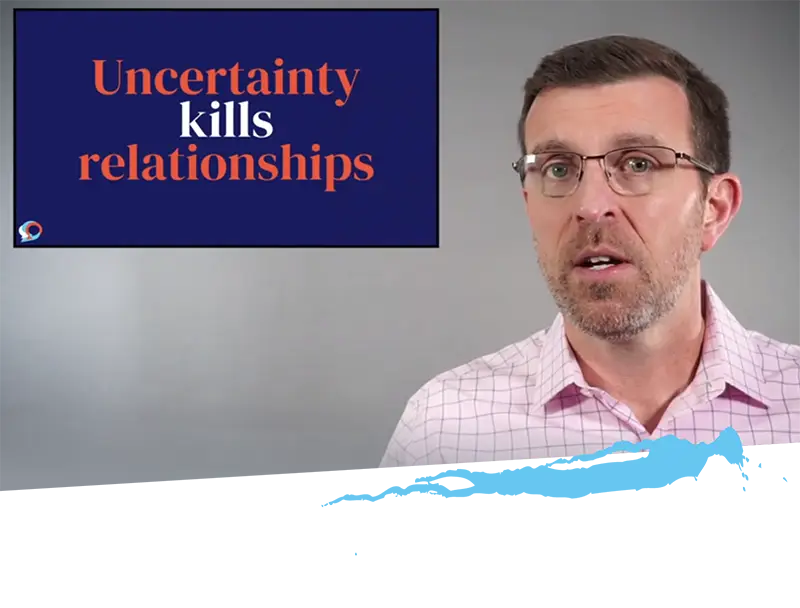
KEYNOTES
See what’s possible when you Lead With Relationship.
TRAININGS
Trainings to help your managers Lead With Relationship.

Retreats
Retreats that will help to elevate the way you lead, work, and live.
“In Unlocking High Performance, Jason Lauritsen greets us with a hopeful, affirming message: work can be much better — more challenging and more fulfilling — if we do things differently. He shows how common practices like annual performance appraisals may be holding you back — and how you can
IMPROVE EMPLOYEE ENGAGEMENT AND BRING EXCITEMENT AND PRODUCTIVITY BACK TO THE WORKPLACE.”
Daniel H. Pink, Author of When and Drive
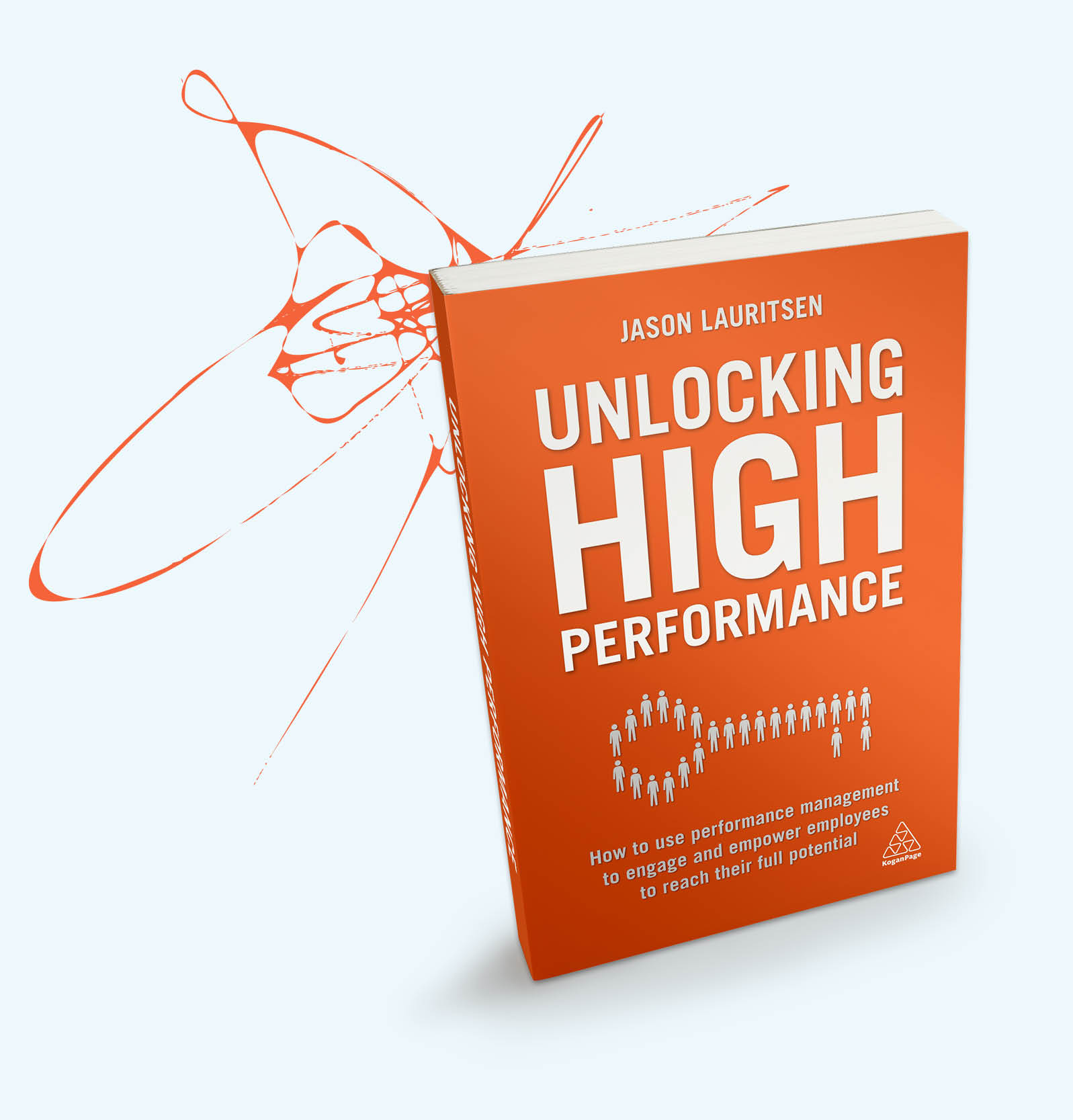
Unlocking High Performance shows you how to get the best out of your people by designing a performance management process that improves the employee experience, helps people reach their full potential, and delivers exceptional business results.
- Get the tools you need to create clear expectations and goals, deliver effective feedback, and develop a culture of coaching rather than criticism
- Receive practical guidance on how to identify and remove obstacles, effectively manage underperformance, and get buy-in for change
- Learn from a variety of tips and examples from organizations including Vistaprint, NVIDIA, and South Dakota State University

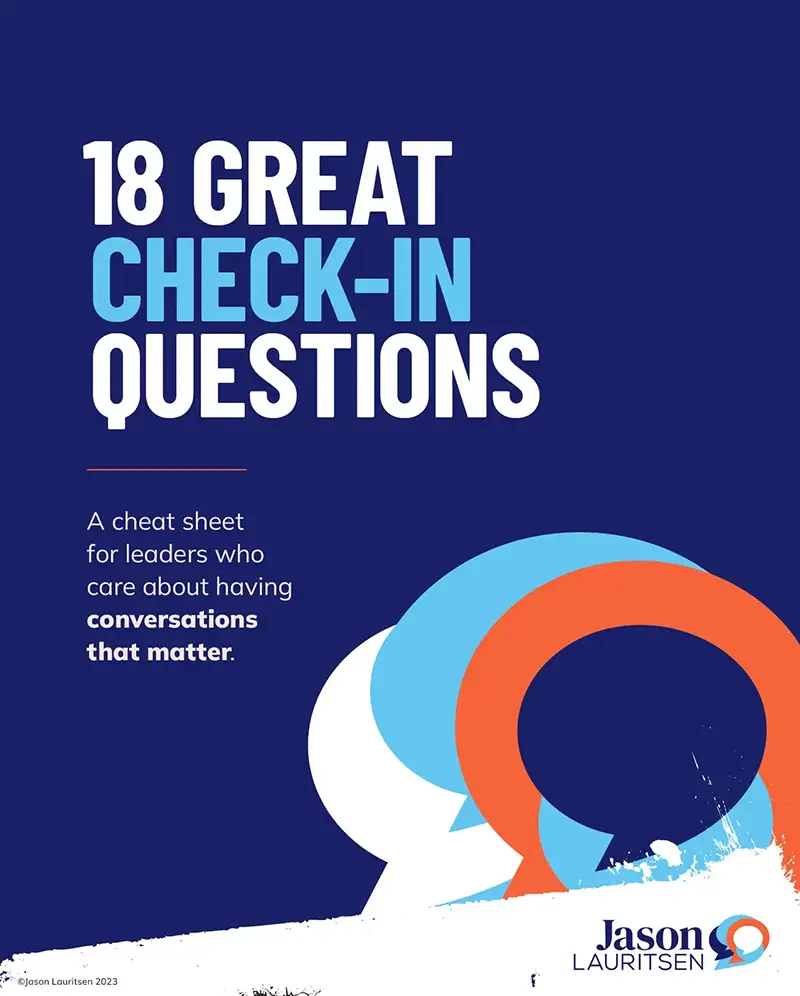
18 GREAT CHECK-IN QUESTIONS
A quick-start guide for leaders who care about having conversations that matter
Check-in conversations are the key to engaging your best people at work—and to building stronger relationships in every area of your life.
Grab this list of 18 questions to start having better check-ins today.
LET'S CONNECT
I'm interested in
(check all that apply)*: